Unveiling the Electric Bicycle’s “Heart”: How Do Motors, Batteries, and Smart Systems Drive Future Riding?
Leading paragraph: Electric bicycle tech updates fast, feeling overwhelmed? Efficiency, range, smart features are real challenges!
Summary paragraph: Electric bicycles rely on motors, batteries, and smart systems working together for power output, energy storage, and ride optimization, driving future cycling experiences.
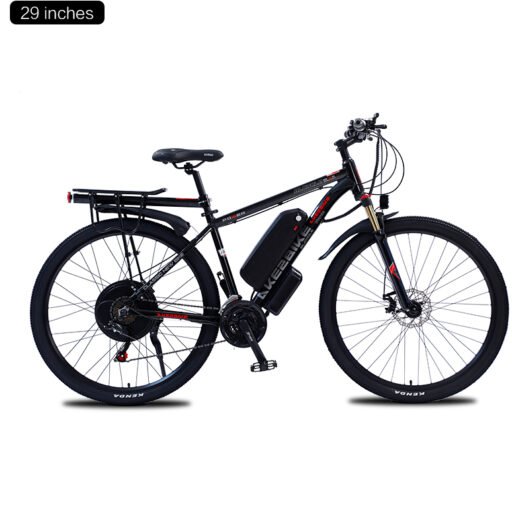
Transitional paragraph: As electric bicycles become more common, what core technologies lie behind them? Today, I will take you on a journey to explore how this technology impacts our lives.
Motor: The Electric Bicycle's Powerful Core? Leading paragraph: Lack of power, struggling uphill, these are annoying. A good motor makes your ride easier.
Summary paragraph: The motor is the core power source of an electric bicycle, converting electrical energy into mechanical energy. It directly affects the riding experience and vehicle performance.
In-depth exploration paragraph: As an engineer who has worked in electric bicycle manufacturing for many years, I deeply understand the importance of the motor in the entire product. From the initial design, we consider how to balance the motor's power output with efficiency.
Types and Characteristics of Motors
In earlier days, we mainly used brushed motors, but they were noisy and had a short lifespan. Now, brushless DC motors (BLDC) have become mainstream.
| Type | Advantages | Disadvantages | Application Scenarios |
|---|---|---|---|
| Brushed Motor | Low cost | Low efficiency, short lifespan | Early, low-end models |
| Brushless DC Motor | High efficiency, low noise, long lifespan | Higher cost, requires a controller | Modern mainstream models |
| Hub Motor | Compact structure, high integration | Limited heat dissipation, affects riding feel | Urban commute bikes |
| Mid-drive Motor | Fast power response, low center of gravity, strong climbing ability | Complex structure, high cost | Sporty, high-end models |
Mid-drive motors, integrated into the center of the frame, provide a better center of gravity, making handling superior. In our designs, we need to consider the perfect cooperation between the motor, frame, and transmission system to ensure an optimal riding experience. For example, to solve the motor heating problem, we often adopt better heat dissipation solutions and manage power precisely through software.
Battery: The Electric Bicycle's Energy Core? Leading paragraph: Electric bike out of power, feeling helpless? Battery range is key.
Summary paragraph: The battery is the electric bicycle's energy storage device, supplying power to the motor. Its capacity and performance directly determine range and charging speed.
In-depth exploration paragraph: In the factory, I deal with batteries every day. I found that choosing the right battery pack is not just about capacity. Safety and stability are our primary considerations.
Comparison of Mainstream Battery Technologies
Currently, lithium-ion batteries are the mainstream choice for electric bicycles. They have high energy density and are lightweight, but different types of lithium-ion batteries have different performance characteristics.
| Type | Advantages | Disadvantages | Application Scenarios |
|---|---|---|---|
| Nickel-metal Hydride Battery | Lower cost | Low energy density, memory effect | Early models, some low-end |
| Lithium-ion Battery | High energy density, long lifespan | High cost, requires safety management | Modern mainstream models |
| Lithium Iron Phosphate Battery | Good safety, long lifespan | Slightly lower energy density, poor low-temp performance | Some safety-focused models |
| Ternary Lithium Battery | High energy density, good low-temp performance | Relatively lower safety | High-performance, long-range models |
When designing battery systems, in addition to cell selection, the Battery Management System (BMS) is also very important. The BMS monitors battery voltage, current, and temperature, preventing overcharging, over-discharging, and overheating to ensure safe battery operation. I remember one time, to optimize the battery life of a new product batch, we repeatedly tested hundreds of different cell combinations and BMS parameter settings before finally finding the best solution. This not only improved the range but also greatly enhanced battery safety.
Smart System: The Electric Bicycle's Intelligent Brain? Leading paragraph: Complex riding data, do you want a smart manager? Smart systems make riding easier.
Summary paragraph: The smart system is the "brain" of the electric bicycle, collecting and analyzing data, optimizing the riding experience, enhancing safety, and providing rich functions.
In-depth exploration paragraph: As an engineer, I have witnessed the transition of electric bicycles from simple "electric" to "smart." Smart systems are no longer optional but have become a key focus for us.
Core Functions of Smart Systems
Smart systems usually consist of a controller, sensors, and a display. They can, like Jacky, help electric bicycles "think" and "act."
- Assist Mode Adjustment: The system automatically adjusts motor output power based on the rider's pedaling force, slope, and other information, providing smoother assistance.
- Riding Data Recording: Speed, mileage, calorie consumption, and other data are synced via an app, helping riders understand their fitness.
- Anti-theft and Positioning: GPS positioning and remote locking functions enhance vehicle security.
- Fault Diagnosis: The system can monitor the status of components in real-time. If a fault occurs, it immediately issues an alarm and provides a solution.
In the factory, I often work with my team to optimize controller algorithms. The goal is to make the assist output more natural and responsive. For example, we introduced torque sensors, which can sense the rider's intentions more accurately than traditional cadence sensors. This allows electric bicycles to truly achieve a perfect unity between rider and machine. As my old friend Jacky always says, "This bike seems to know what I'm thinking!"
Looking Forward: How Will Technology Change Electric Bicycles? Leading paragraph: Are you curious how much smarter electric bikes can get? Technology's progress is beyond imagination.
Summary paragraph: Future electric bicycles will be smarter, more efficient, and more connected. They will integrate advanced technologies, bringing personalized riding experiences.
In-depth exploration paragraph: Having worked in this industry for so long, I've seen electric bicycle technology develop rapidly. In the future, I believe the transformation of electric bicycles will revolve around several core directions.
Future Development Trends
- AI and Machine Learning: Electric bicycle systems will learn user riding habits, automatically optimize assist modes, and even anticipate and adjust output in complex road conditions. I once envisioned that future electric bicycles could act like an experienced guide, providing optimal suggestions based on my physical condition and riding goals.
- More Efficient Battery Technology: New energy storage solutions such as solid-state batteries and fuel cells are expected to be applied, significantly increasing range while shortening charging times, and even enabling wireless charging. Our team consistently tracks these cutting-edge technologies, considering how to integrate them into our products.
- Connected Vehicles and V2X Communication: Electric bicycles will communicate with other vehicles and infrastructure, improving riding safety and enabling smarter traffic management. For example, getting real-time road condition information ahead and avoiding congestion can make commutes smoother.
- High Integration and Modular Design: Core components like motors and batteries will become smaller and more highly integrated, making vehicle designs cleaner and maintenance easier. At the same time, modular design will allow users to easily upgrade or replace components according to their needs, truly achieving personalized customization.
I firmly believe that in the near future, electric bicycles will no longer just be a means of transport but a smart partner that integrates various high technologies, interacts with us, and profoundly impacts our lifestyle. We at zenithebike are working towards this vision.
Conclusion: The motor, battery, and smart system of an electric bicycle collectively drive future riding, making it more free and easy.
About Me Brand Name: zenithebike Slogan: Professional Electric Bicycle Expert Website: www.zenithebike.com
Our Mission: zenithebike is a knowledge-sharing platform dedicated to helping anyone interested in electric bicycle manufacturing. Our goal is to make electric bicycle knowledge accessible to all, from beginners to seasoned professionals.
About Me: zenithebike was founded by Devin, a cycling enthusiast who later worked in a factory, solving problems in production, gradually becoming a skilled worker, and now runs his factory. He has helped many clients grow their businesses. Devin is very grateful for the opportunities electric bicycles have brought him and is now dedicated to giving back to the community by sharing his expertise and insights to help others succeed in this field.
Devin is an experienced engineer at a medium-sized manufacturing company for electric bicycle production. His responsibilities include ensuring designs meet both ergonomic and functional requirements and are optimized for mass production. Jacky is proficient in CAD tools and frames, regularly collaborating with engineers and production teams.